Buy mbox.eu ?
We are moving the project
mbox.eu .
Are you interested in purchasing the domain
mbox.eu ?
domain@kv-gmbh.de · 0541-91531010
Buy mbox.eu ?
Are inhaled pesticides harmful?
Inhaled pesticides can be harmful to human health, as they can irritate the respiratory system and cause symptoms such as coughing, wheezing, and shortness of breath. Long-term exposure to inhaled pesticides can also increase the risk of developing respiratory conditions such as asthma and chronic obstructive pulmonary disease (COPD). Additionally, some pesticides may contain toxic chemicals that can be harmful if inhaled, leading to more serious health effects. It is important to take precautions when using pesticides and to follow safety guidelines to minimize the risk of inhalation exposure. **
Are there tampons without pesticides?
Yes, there are tampons available that are made without the use of pesticides. Many organic tampon brands specifically advertise that their products are made without the use of pesticides, synthetic materials, and chemicals. These tampons are made from organic cotton, which is grown without the use of synthetic pesticides or fertilizers. Choosing organic tampons can be a good option for those looking to reduce their exposure to potentially harmful chemicals. **

Similar search terms for Pesticides
Top-Angebote
Products related to Pesticides:
-
Rexel Ecodesk L Folders Clear (25)Ecodesk pockets and folders are manufactured from 100% post consumer recycled materials.They are designed to minimise the use of unsustainable raw virgin material whilst not compromising on quality and giving a true environmental value.27,49 £*Shipping: 0,00 £Secure redirect to the provider
-
Rexel Anti-Slip A4 Folders Clear (25)Secure Filing Rexel Anti-slip pockets and folders are ideal for managing everyday documents on and around your desk. Made from material that is 2 times less slippery than standard polypropylene, you really can feel secure about your filing!29,49 £*Shipping: 0,00 £Secure redirect to the provider
-
Little Tiger Dear Baby: Messages for Baby Keepsake Book (Hardback)Messages For Baby Book Capture heartfelt memories and well-wishes with the Messages for Baby hardback keepsake book. Beautifully illustrated and thoughtfully designed, it’s the perfect place for friends and family to write messages of love for a new baby — a treasured gift for years to come.2,99 £*Shipping: 1,99 £Secure redirect to the provider


-
Do pesticides on fruits taste bitter?
Pesticides themselves do not have a taste, but some fruits may taste bitter if they have been treated with certain types of pesticides. This can happen if the pesticides are not properly washed off before the fruit is consumed. Additionally, some people may be more sensitive to the taste of pesticides and may perceive a bitter taste even if the levels are within safe limits. It is important to thoroughly wash fruits before consuming them to reduce the risk of ingesting any pesticide residue. **
-
Do pesticides on fruit taste bitter?
Pesticides themselves do not have a taste, but some fruits may have a bitter taste if they have been treated with certain types of pesticides. This is because some pesticides can leave a residue on the surface of the fruit, which can affect its taste. However, the bitterness of the fruit may also be influenced by other factors such as ripeness and variety. It is important to wash fruits thoroughly before consuming them to remove any pesticide residue. **
-
What do pesticides and defoliants mean?
Pesticides are substances used to control or eliminate pests such as insects, weeds, and fungi that can damage crops or spread diseases. They can be synthetic chemicals or natural substances and are used to protect plants and improve agricultural productivity. Defoliants, on the other hand, are chemicals used to strip leaves from plants, often as a means of destroying crops or vegetation. They are sometimes used in warfare to expose enemy positions or in agriculture to facilitate harvesting. Both pesticides and defoliants have potential environmental and health impacts and must be used carefully and responsibly. **
-
Can pesticides be avoided in honey?
Pesticides can be avoided in honey through organic beekeeping practices. Organic beekeepers use natural methods to control pests and diseases, such as maintaining strong and healthy hives, using essential oils and natural repellents, and practicing good hive management. By avoiding the use of synthetic pesticides and chemicals in and around the hives, organic beekeepers can produce honey that is free from pesticide residues. Consumers can look for organic honey products to ensure that they are supporting beekeepers who prioritize natural and sustainable practices. **


How can one remove pesticides from frozen fruits?
One way to remove pesticides from frozen fruits is to wash them thoroughly under running water. This can help to remove some of the pesticide residue on the surface of the fruits. Another method is to soak the frozen fruits in a solution of water and vinegar, which can help to break down and remove pesticide residues. Additionally, peeling the skin of the fruits can also help to reduce pesticide exposure. It's important to note that while these methods can help reduce pesticide residue, they may not completely eliminate all traces of pesticides. **
When should one always use pesticides before flowering?
One should always use pesticides before flowering when dealing with pests or diseases that are known to cause significant damage during the flowering stage. By applying pesticides before flowering, one can prevent the pests or diseases from establishing a strong presence and causing harm to the plant during this critical stage of growth. Additionally, using pesticides before flowering can help protect the plant's health and ensure a successful flowering period without interference from pests or diseases. It is important to carefully follow the instructions on the pesticide label and consider the specific needs of the plant to determine the best timing for application. **
Top-Angebote
Products related to Pesticides:
-
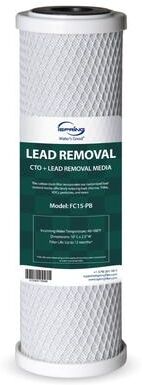
iSpring FC15-PB Certified Water Filter – Removes up to 99% Lead, Reduces Chlorine, THMs, VOCs, Pesticides, and More, SGS-testedSGS-Tested Lead Reduction: The FC15-PB carbon block filter is equipped with specialized lead-removal media, proven to reduce up to 99% of lead for safer, cleaner drinking water.79,99 $*Shipping: 0,00 $Secure redirect to the provider
-
ModernMart Secret Garden Magic Cards With Inspirational Messages Secret Garden Magic Cards With Inspirational MessagesEscape into the enchanting world of the Secret Garden with this set of magical cards. Each card offers small signs and encouragement, perfect for those seeking inspiration, reflection, or a touch of daily magic. Designed for dreamers, game lovers,...34,97 $*Shipping: 0,00 $Secure redirect to the provider
-
Rexel Ecodesk L Folders Clear (25)Ecodesk pockets and folders are manufactured from 100% post consumer recycled materials.They are designed to minimise the use of unsustainable raw virgin material whilst not compromising on quality and giving a true environmental value.27,49 £*Shipping: 0,00 £Secure redirect to the provider
-
Rexel Anti-Slip A4 Folders Clear (25)Secure Filing Rexel Anti-slip pockets and folders are ideal for managing everyday documents on and around your desk. Made from material that is 2 times less slippery than standard polypropylene, you really can feel secure about your filing!29,49 £*Shipping: 0,00 £Secure redirect to the provider
-
Are inhaled pesticides harmful?
Inhaled pesticides can be harmful to human health, as they can irritate the respiratory system and cause symptoms such as coughing, wheezing, and shortness of breath. Long-term exposure to inhaled pesticides can also increase the risk of developing respiratory conditions such as asthma and chronic obstructive pulmonary disease (COPD). Additionally, some pesticides may contain toxic chemicals that can be harmful if inhaled, leading to more serious health effects. It is important to take precautions when using pesticides and to follow safety guidelines to minimize the risk of inhalation exposure. **
-
Are there tampons without pesticides?
Yes, there are tampons available that are made without the use of pesticides. Many organic tampon brands specifically advertise that their products are made without the use of pesticides, synthetic materials, and chemicals. These tampons are made from organic cotton, which is grown without the use of synthetic pesticides or fertilizers. Choosing organic tampons can be a good option for those looking to reduce their exposure to potentially harmful chemicals. **
-
Do pesticides on fruits taste bitter?
Pesticides themselves do not have a taste, but some fruits may taste bitter if they have been treated with certain types of pesticides. This can happen if the pesticides are not properly washed off before the fruit is consumed. Additionally, some people may be more sensitive to the taste of pesticides and may perceive a bitter taste even if the levels are within safe limits. It is important to thoroughly wash fruits before consuming them to reduce the risk of ingesting any pesticide residue. **
-
Do pesticides on fruit taste bitter?
Pesticides themselves do not have a taste, but some fruits may have a bitter taste if they have been treated with certain types of pesticides. This is because some pesticides can leave a residue on the surface of the fruit, which can affect its taste. However, the bitterness of the fruit may also be influenced by other factors such as ripeness and variety. It is important to wash fruits thoroughly before consuming them to remove any pesticide residue. **
Similar search terms for Pesticides
-
Little Tiger Dear Baby: Messages for Baby Keepsake Book (Hardback)Messages For Baby Book Capture heartfelt memories and well-wishes with the Messages for Baby hardback keepsake book. Beautifully illustrated and thoughtfully designed, it’s the perfect place for friends and family to write messages of love for a new baby — a treasured gift for years to come.2,99 £*Shipping: 1,99 £Secure redirect to the provider
-
Rexel Nyrex™ A4 Cut Back Folders Clear (25)Nyrex the UK's No.1 brand for premium quality and strength. Tough and durable for long lasting use.- A4 cut back folder- Wipe clean keeps documents pristine- Embossed finish to reduce glare- Made from premium hard wearing material for consistent use- Opens on two sides and cuts back for easy access whilst maintaining document security58,99 £*Shipping: 0,00 £Secure redirect to the provider
-
Rexel Nyrex™ A4 Cut Flush Folders Clear (25)Nyrex the UK's No.1 brand for premium quality and strength. Tough and durable for long lasting use.- A4 cut flush folder made from premium hard wearing material for consistent use- Opens on two sides for easy access whilst maintaining document security.- Wipe clean keeps documents pristine.- Embossed finish to reduce glare.- Reinforced edges for extra strength.42,99 £*Shipping: 0,00 £Secure redirect to the provider
-
What do pesticides and defoliants mean?
Pesticides are substances used to control or eliminate pests such as insects, weeds, and fungi that can damage crops or spread diseases. They can be synthetic chemicals or natural substances and are used to protect plants and improve agricultural productivity. Defoliants, on the other hand, are chemicals used to strip leaves from plants, often as a means of destroying crops or vegetation. They are sometimes used in warfare to expose enemy positions or in agriculture to facilitate harvesting. Both pesticides and defoliants have potential environmental and health impacts and must be used carefully and responsibly. **
-
Can pesticides be avoided in honey?
Pesticides can be avoided in honey through organic beekeeping practices. Organic beekeepers use natural methods to control pests and diseases, such as maintaining strong and healthy hives, using essential oils and natural repellents, and practicing good hive management. By avoiding the use of synthetic pesticides and chemicals in and around the hives, organic beekeepers can produce honey that is free from pesticide residues. Consumers can look for organic honey products to ensure that they are supporting beekeepers who prioritize natural and sustainable practices. **
-
How can one remove pesticides from frozen fruits?
One way to remove pesticides from frozen fruits is to wash them thoroughly under running water. This can help to remove some of the pesticide residue on the surface of the fruits. Another method is to soak the frozen fruits in a solution of water and vinegar, which can help to break down and remove pesticide residues. Additionally, peeling the skin of the fruits can also help to reduce pesticide exposure. It's important to note that while these methods can help reduce pesticide residue, they may not completely eliminate all traces of pesticides. **
-
When should one always use pesticides before flowering?
One should always use pesticides before flowering when dealing with pests or diseases that are known to cause significant damage during the flowering stage. By applying pesticides before flowering, one can prevent the pests or diseases from establishing a strong presence and causing harm to the plant during this critical stage of growth. Additionally, using pesticides before flowering can help protect the plant's health and ensure a successful flowering period without interference from pests or diseases. It is important to carefully follow the instructions on the pesticide label and consider the specific needs of the plant to determine the best timing for application. **
* All prices are inclusive of VAT and, if applicable, plus shipping costs. The offer information is based on the details provided by the respective shop and is updated through automated processes. Real-time updates do not occur, so deviations can occur in individual cases. ** Note: Parts of this content were created by AI.