Buy mbox.eu ?
We are moving the project
mbox.eu .
Are you interested in purchasing the domain
mbox.eu ?
domain@kv-gmbh.de · 0541-91531010
Buy mbox.eu ?
What are nonverbal autistics?
Nonverbal autistics are individuals on the autism spectrum who have limited or no verbal communication abilities. They may rely on alternative forms of communication such as gestures, pictures, or assistive technology devices to express their needs and thoughts. Nonverbal autistics may have challenges in understanding and using spoken language, but they can still communicate effectively through nonverbal means. It is important to recognize and support their unique communication needs to help them thrive and connect with others. **
What characterizes nonverbal communication?
Nonverbal communication encompasses a wide range of behaviors and cues, including body language, facial expressions, gestures, eye contact, posture, and tone of voice. It is a significant aspect of human interaction and can convey emotions, attitudes, and intentions. Nonverbal communication is often spontaneous and can occur simultaneously with verbal communication, adding layers of meaning and nuance to the interaction. It is also influenced by cultural and social norms, making it important to consider the context and cultural background when interpreting nonverbal cues. **


Similar search terms for Nonverbal
Top-Angebote
Products related to Nonverbal:
-
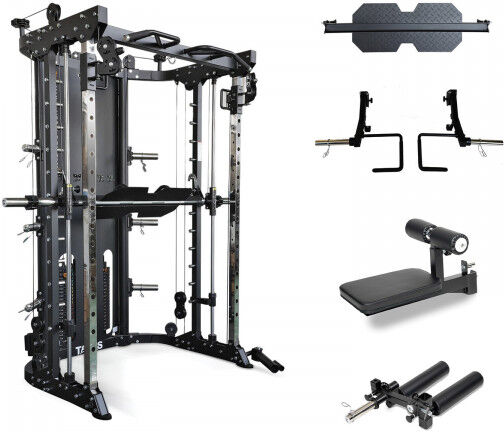
Taurus MS35 Pro Multi Smith Taurus MS35 + AttachmentsThe Taurus MS35 Pro Multi Smith is a versatile all-in-one machine with a half rack, smith machine, dual adjustable pulley, and storage space. It is suitable for commercial use and various exercises, including pull-ups, squats, rows, curls, etc. The machine has 2 x 90kg weight stacks, adjustable...2511,89 £*Shipping: 0,00 £Secure redirect to the provider
-
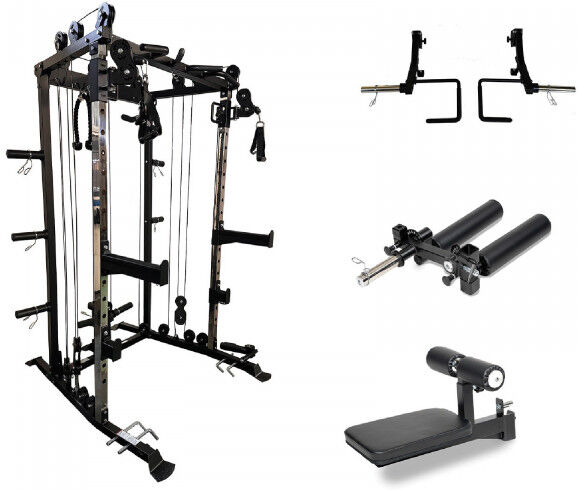
Taurus MS5 Plate Complete Trainer Taurus MS5 + AttachmentsThe Taurus MS5 Plate Complete Trainer brings the feel of a professional gym right into your home. It combines a functional trainer, power rack, and cable system to give you everything you need for strength training and full-body workouts. Made with durable materials and a smooth 2:1 cable system,...1027,79 £*Shipping: 0,00 £Secure redirect to the provider
-
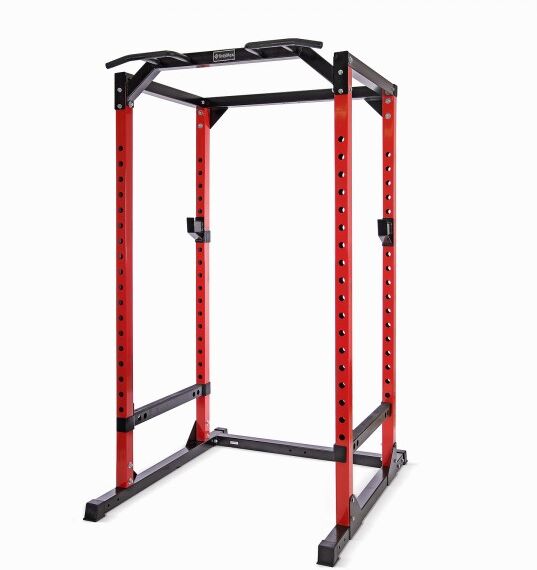
BodyMax CF475 Power Rack Bodymax CF475 Rack + AttachmentsThe BodyMax CF475 Power Rack offers a solid base for performing squats, bench presses, and pull-ups. The rack is designed for home gyms and supports up to 280 kg, making it a fantastic choice for beginners and enthusiasts alike. The CF475 includes J-hooks and spotter arms to support you as you...1296,83 £*Shipping: 0,00 £Secure redirect to the provider

-
What is nonverbal communication?
Nonverbal communication refers to the transmission of messages and information through nonverbal cues such as body language, facial expressions, gestures, and tone of voice. It is a form of communication that does not involve the use of words, but can still convey important information and emotions. Nonverbal communication can greatly impact how a message is received and understood, and it plays a crucial role in interpersonal interactions and relationships. It is an essential aspect of communication that complements and enhances verbal communication. **
-
Why is nonverbal communication important?
Nonverbal communication is important because it can convey emotions, attitudes, and intentions that may not be expressed through words. It can also enhance or contradict the verbal message, providing additional context and meaning to the conversation. Nonverbal cues such as body language, facial expressions, and tone of voice can help to build rapport, establish trust, and create a deeper connection with others. Additionally, being able to interpret and respond to nonverbal cues is essential for effective communication and understanding in various social and professional settings. **
-
How can I support supervised individuals in expressing verbal or nonverbal messages?
To support supervised individuals in expressing verbal or nonverbal messages, it is important to create a safe and supportive environment where they feel comfortable sharing their thoughts and feelings. Encourage open communication by actively listening to their verbal and nonverbal cues, and providing positive reinforcement for their efforts. Use nonverbal cues such as nodding, maintaining eye contact, and using open body language to show that you are engaged and attentive. Additionally, provide opportunities for them to practice expressing themselves through role-playing, art, or other creative activities. **
-
What is verbal and nonverbal communication?
Verbal communication involves the use of words, spoken or written, to convey a message. It includes conversations, speeches, presentations, and written messages. Nonverbal communication, on the other hand, involves the use of gestures, facial expressions, body language, and tone of voice to convey meaning. Both verbal and nonverbal communication are essential in conveying messages effectively and understanding others in various social interactions. **

What is meant by nonverbal communication?
Nonverbal communication refers to the transmission of messages or information through non-linguistic means, such as body language, facial expressions, gestures, and tone of voice. It is a form of communication that can convey emotions, attitudes, and intentions without the use of words. Nonverbal communication plays a crucial role in interpersonal interactions and can significantly impact the way a message is perceived and understood. It is an essential aspect of communication that complements verbal communication and can provide additional context and meaning to the spoken words. **
Is laughter verbal or nonverbal communication?
Laughter is considered a form of nonverbal communication. While it is a vocal expression involving the production of sound, laughter is typically spontaneous and often communicates emotions such as joy, amusement, or relief without the use of words. The tone, pitch, and duration of laughter can convey a range of meanings and emotions, making it a powerful nonverbal communication tool. **
Top-Angebote
Products related to Nonverbal:
-
ModernMart Secret Garden Magic Cards With Inspirational Messages Secret Garden Magic Cards With Inspirational MessagesEscape into the enchanting world of the Secret Garden with this set of magical cards. Each card offers small signs and encouragement, perfect for those seeking inspiration, reflection, or a touch of daily magic. Designed for dreamers, game lovers,...34,97 $*Shipping: 0,00 $Secure redirect to the provider
-
Little Tiger Dear Baby: Messages for Baby Keepsake Book (Hardback)Messages For Baby Book Capture heartfelt memories and well-wishes with the Messages for Baby hardback keepsake book. Beautifully illustrated and thoughtfully designed, it’s the perfect place for friends and family to write messages of love for a new baby — a treasured gift for years to come.2,99 £*Shipping: 1,99 £Secure redirect to the provider
-
Taurus MS35 Pro Multi Smith Taurus MS35 + AttachmentsThe Taurus MS35 Pro Multi Smith is a versatile all-in-one machine with a half rack, smith machine, dual adjustable pulley, and storage space. It is suitable for commercial use and various exercises, including pull-ups, squats, rows, curls, etc. The machine has 2 x 90kg weight stacks, adjustable...2511,89 £*Shipping: 0,00 £Secure redirect to the provider
-
Taurus MS5 Plate Complete Trainer Taurus MS5 + AttachmentsThe Taurus MS5 Plate Complete Trainer brings the feel of a professional gym right into your home. It combines a functional trainer, power rack, and cable system to give you everything you need for strength training and full-body workouts. Made with durable materials and a smooth 2:1 cable system,...1027,79 £*Shipping: 0,00 £Secure redirect to the provider
-
What are nonverbal autistics?
Nonverbal autistics are individuals on the autism spectrum who have limited or no verbal communication abilities. They may rely on alternative forms of communication such as gestures, pictures, or assistive technology devices to express their needs and thoughts. Nonverbal autistics may have challenges in understanding and using spoken language, but they can still communicate effectively through nonverbal means. It is important to recognize and support their unique communication needs to help them thrive and connect with others. **
-
What characterizes nonverbal communication?
Nonverbal communication encompasses a wide range of behaviors and cues, including body language, facial expressions, gestures, eye contact, posture, and tone of voice. It is a significant aspect of human interaction and can convey emotions, attitudes, and intentions. Nonverbal communication is often spontaneous and can occur simultaneously with verbal communication, adding layers of meaning and nuance to the interaction. It is also influenced by cultural and social norms, making it important to consider the context and cultural background when interpreting nonverbal cues. **
-
What is nonverbal communication?
Nonverbal communication refers to the transmission of messages and information through nonverbal cues such as body language, facial expressions, gestures, and tone of voice. It is a form of communication that does not involve the use of words, but can still convey important information and emotions. Nonverbal communication can greatly impact how a message is received and understood, and it plays a crucial role in interpersonal interactions and relationships. It is an essential aspect of communication that complements and enhances verbal communication. **
-
Why is nonverbal communication important?
Nonverbal communication is important because it can convey emotions, attitudes, and intentions that may not be expressed through words. It can also enhance or contradict the verbal message, providing additional context and meaning to the conversation. Nonverbal cues such as body language, facial expressions, and tone of voice can help to build rapport, establish trust, and create a deeper connection with others. Additionally, being able to interpret and respond to nonverbal cues is essential for effective communication and understanding in various social and professional settings. **
Similar search terms for Nonverbal
-
BodyMax CF475 Power Rack Bodymax CF475 Rack + AttachmentsThe BodyMax CF475 Power Rack offers a solid base for performing squats, bench presses, and pull-ups. The rack is designed for home gyms and supports up to 280 kg, making it a fantastic choice for beginners and enthusiasts alike. The CF475 includes J-hooks and spotter arms to support you as you...1296,83 £*Shipping: 0,00 £Secure redirect to the provider
-
Blueprint Hello Kitty and Friends Sweets Backpack for Kids, Pastel Pink, A4 Folders/Smaller LaptopsBring a little kawaii character style to school days, outings, and everyday adventures with this colourful Hello Kitty and Friends Sweets Backpack. The pastel pink design features an all-over pattern of Hello Kitty, Kuromi, My Melody, and Cinnamoroll surrounded by playful sweets and colourful treats. A spacious zipped main compartment provides room for books, stationery, snacks, and other daily essentials. It is generously sized for A4 folders and may also accommodate some smaller laptops. The separate front zipped pocket keeps smaller belongings within easy reach and is decorated with raised character artwork for an extra-special finish. Designed with comfort and practicality in mind, the backpack has adjustable padded shoulder straps that can be fitted to the wearer. A top grab handle makes it easy to carry by hand or hang from a school peg. Its hard-wearing polyester fabric is splash-resistant, helping to keep the contents protected.17,09 £*Shipping: 1,99 £Secure redirect to the provider
-
How can I support supervised individuals in expressing verbal or nonverbal messages?
To support supervised individuals in expressing verbal or nonverbal messages, it is important to create a safe and supportive environment where they feel comfortable sharing their thoughts and feelings. Encourage open communication by actively listening to their verbal and nonverbal cues, and providing positive reinforcement for their efforts. Use nonverbal cues such as nodding, maintaining eye contact, and using open body language to show that you are engaged and attentive. Additionally, provide opportunities for them to practice expressing themselves through role-playing, art, or other creative activities. **
-
What is verbal and nonverbal communication?
Verbal communication involves the use of words, spoken or written, to convey a message. It includes conversations, speeches, presentations, and written messages. Nonverbal communication, on the other hand, involves the use of gestures, facial expressions, body language, and tone of voice to convey meaning. Both verbal and nonverbal communication are essential in conveying messages effectively and understanding others in various social interactions. **
-
What is meant by nonverbal communication?
Nonverbal communication refers to the transmission of messages or information through non-linguistic means, such as body language, facial expressions, gestures, and tone of voice. It is a form of communication that can convey emotions, attitudes, and intentions without the use of words. Nonverbal communication plays a crucial role in interpersonal interactions and can significantly impact the way a message is perceived and understood. It is an essential aspect of communication that complements verbal communication and can provide additional context and meaning to the spoken words. **
-
Is laughter verbal or nonverbal communication?
Laughter is considered a form of nonverbal communication. While it is a vocal expression involving the production of sound, laughter is typically spontaneous and often communicates emotions such as joy, amusement, or relief without the use of words. The tone, pitch, and duration of laughter can convey a range of meanings and emotions, making it a powerful nonverbal communication tool. **
* All prices are inclusive of VAT and, if applicable, plus shipping costs. The offer information is based on the details provided by the respective shop and is updated through automated processes. Real-time updates do not occur, so deviations can occur in individual cases. ** Note: Parts of this content were created by AI.